Educational Board Games
Key Takeaways
- Board games can help children enhance various educational skills in a fun way.
- Games encourage critical thinking, problem-solving, and teamwork.
- Different types of games focus on various subjects: language, math, science, and more.
- Choosing the right board game can align with your child's interests and educational needs.
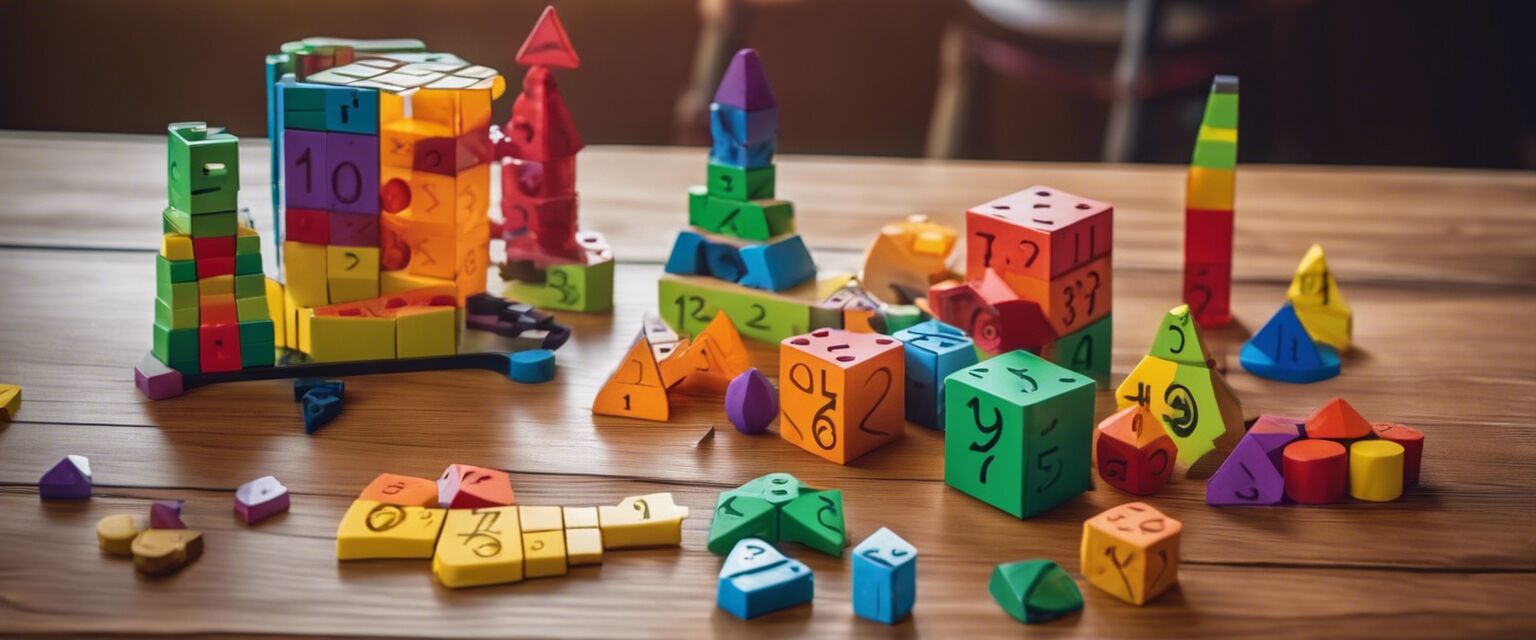
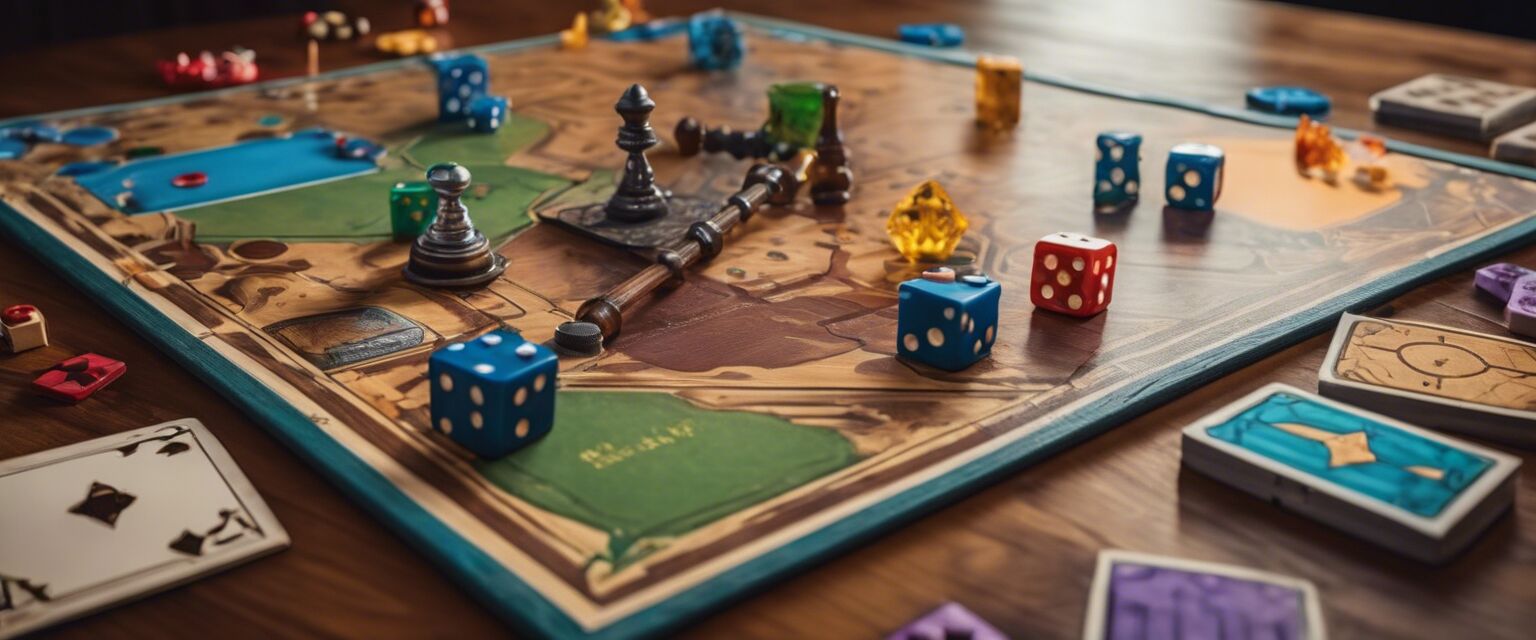
Educational board games blend learning and fun, providing children with excellent opportunities to develop a variety of skills. The charm of these games lies in their ability to engage children while simultaneously enhancing their knowledge in various subjects. In this article, we will explore different types of educational board games and how they contribute to learning.
Benefits of educational board games
There are numerous advantages to introducing educational board games into a child's playtime. Here are some key benefits:
- Enhances critical thinking: Many board games require strategic thinking and planning, which helps develop critical thinking skills.
- Encourages social interaction: Playing board games fosters teamwork and communication among peers and family members.
- Promotes motivation to learn: The fun nature of games can keep children engaged while they learn new concepts.
- Improves memory and concentration: Many games require players to remember rules, paths, or information, enhancing cognitive skills.
Types of educational board games
Educational board games can be categorized based on the subjects they target. Hereâs a breakdown:
| Type | Description | Examples |
|---|---|---|
| Language Games | Focus on vocabulary, reading, and language skills. | Scrabble, Boggle |
| Math Games | Enhance mathematical skills including addition, subtraction, and more. | Prime Climb, Sum Swamp |
| Science Games | Introduce concepts of biology, chemistry, and geology in a fun way. | Evolution, Science Bingo |
| History Games | Teach historical events and figures. | Timeline, The Game of Life |
Language board games
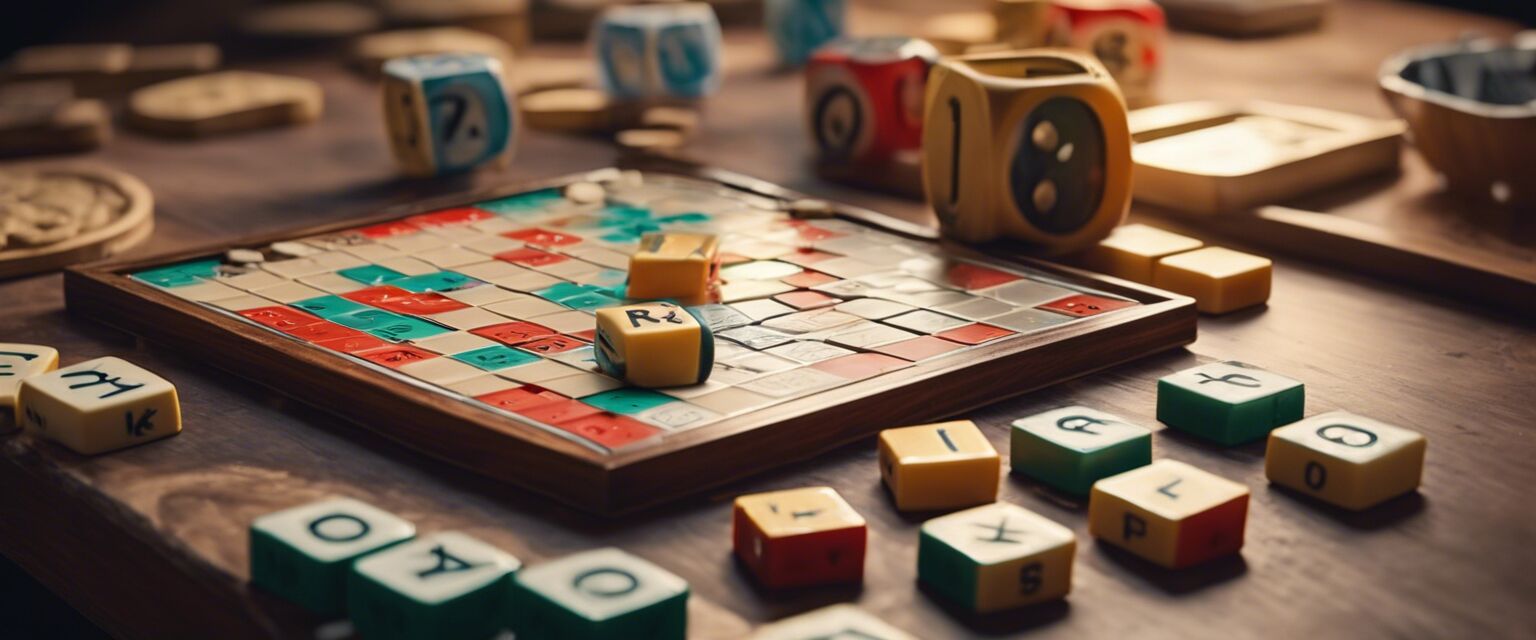
Language board games not only build vocabulary but also boost reading comprehension. Games such as Scrabble and Boggle challenge players to think about language creatively. These games are ideal for children who love to read and write, and they can be enjoyed by the whole family.
Math board games
Math board games turn complex math concepts into fun challenges. Games like Prime Climb and Sum Swamp make addition and multiplication intuitive through engaging gameplay. Such games can help children improve their math skills while they enjoy competing with friends or family.
Science board games
Science board games spark curiosity and introduce scientific concepts. Games like Evolution and Science Bingo encourage players to think critically about biological processes and scientific phenomena. These games are great tools for sparking interest in science from a young age.
History board games
History board games create a platform for players to learn about historical events and figures in an engaging way. Games such as Timeline and The Game of Life allow families to explore history together while developing a sense of connection to the past.
How to choose the right educational board game
When selecting an educational board game for children, consider the following tips:
Tips for Beginners
- Assess your child's interests: Choose games that align with what your child enjoys to keep them engaged.
- Consider age appropriateness: Ensure the game is suitable for your child's age group and developmental level.
- Check educational value: Look for games designed with educational concepts and skills in mind.
- Read reviews: Check reviews from other parents and educators to gauge the game's effectiveness and fun factor.
- Play the game yourself: Familiarize yourself with the game before introducing it to your child to ensure an enjoyable experience.
Tips for Playing Educational Board Games
Here are some tips to enhance the gameplay experience:
- Make it enjoyable: Create a relaxed and fun environment with laughter and encouragement.
- Discuss strategies: Talk about strategies and thought processes during the game to deepen understanding.
- Encourage questions: Foster curiosity by encouraging children to ask questions and share their thoughts while playing.
Conclusion
Educational board games provide a fantastic way for children to learn while having fun. They encourage essential skills such as critical thinking, communication, and collaboration. With a wide variety of games available, you're likely to find options that fit your child's interests and educational needs. Ensure you choose age-appropriate games and create an enjoyable environment for tailored learning experiences.
Pros
- Facilitates learning in an engaging manner
- Encourages social skills and communication among children
- Promotes critical thinking and problem-solving
- Wide variety catering to different subjects and interests
Cons
- Some games may require adult supervision for younger players
- Not all games may be educationally valuable
- Can be expensive depending on brand and type
- Overly competitive games may discourage some children