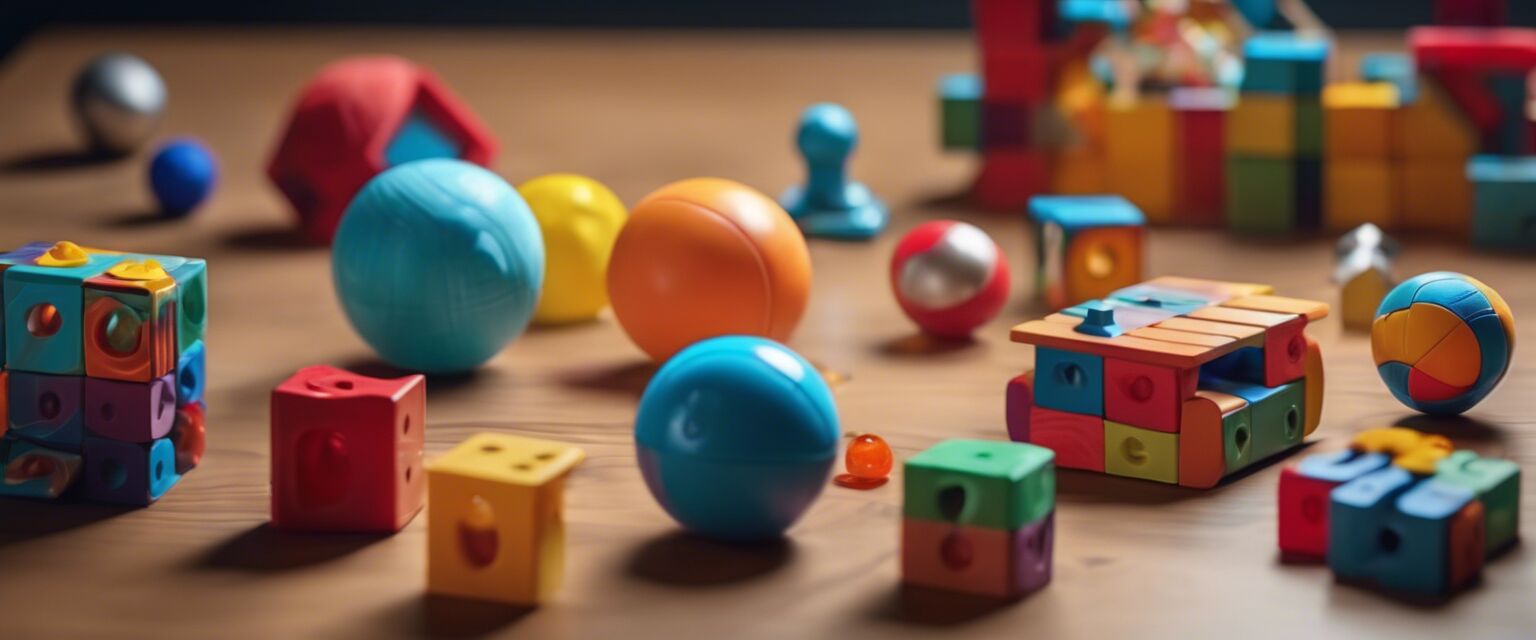
Sensory Development Toys
Sensory development toys play a vital role in enhancing the sensory skills crucial for early childhood learning. These toys help children develop their senses, including sight, sound, touch, taste, and smell, which are essential for cognitive development, problem-solving, and social skills.
Key Takeaways
- Sensory development toys enhance sensory skills crucial for early childhood learning.
- These toys help children develop their senses, including sight, sound, touch, taste, and smell.
- Sensory development toys are essential for cognitive development, problem-solving, and social skills.
What are Sensory Development Toys?
Sensory development toys are designed to stimulate children's senses, encouraging them to explore, learn, and develop their sensory skills. These toys can be categorized into different types, including:
| Type of Toy | Description |
|---|---|
| Tactile Toys | These toys stimulate the sense of touch, such as texture balls, playdough, and sensory mats. |
| Visual Toys | These toys stimulate the sense of sight, such as puzzles, building blocks, and shape sorters. |
| Auditory Toys | These toys stimulate the sense of hearing, such as musical instruments, sound blocks, and auditory puzzles. |
| Olfactory Toys | These toys stimulate the sense of smell, such as scented playdough, essential oil diffusers, and aromatherapy toys. |
| Gustatory Toys | These toys stimulate the sense of taste, such as edible playdough, food-themed puzzles, and taste-testing games. |
Benefits of Sensory Development Toys
Sensory development toys offer numerous benefits for children, including:
- Improved cognitive development: Sensory development toys enhance problem-solving skills, memory, and concentration.
- Enhanced social skills: These toys encourage social interaction, cooperation, and communication.
- Boosted creativity: Sensory development toys foster creativity, imagination, and self-expression.
- Development of fine motor skills: These toys help children develop their fine motor skills, hand-eye coordination, and dexterity.
Choosing the Right Sensory Development Toy
When choosing a sensory development toy, consider the following factors:
| Factor | Consideration |
|---|---|
| Age | Choose a toy suitable for the child's age and developmental stage. |
| Interests | Select a toy that aligns with the child's interests and preferences. |
| Sensory Needs | Consider the child's sensory needs, such as tactile, visual, or auditory stimulation. |
| Quality | Opt for high-quality toys made from non-toxic materials and durable construction. |
Popular Sensory Development Toys
Some popular sensory development toys include:
- Building sets, such as LEGO and Magna-Tiles, which stimulate the sense of touch and sight.
- Art and craft STEM projects, such as painting and sculpting, which engage the sense of sight and touch.
- Science kits, such as chemistry sets and crystal-growing kits, which stimulate the sense of sight and smell.
- Nature exploration kits, such as bug catchers and magnifying glasses, which engage the sense of sight and smell.
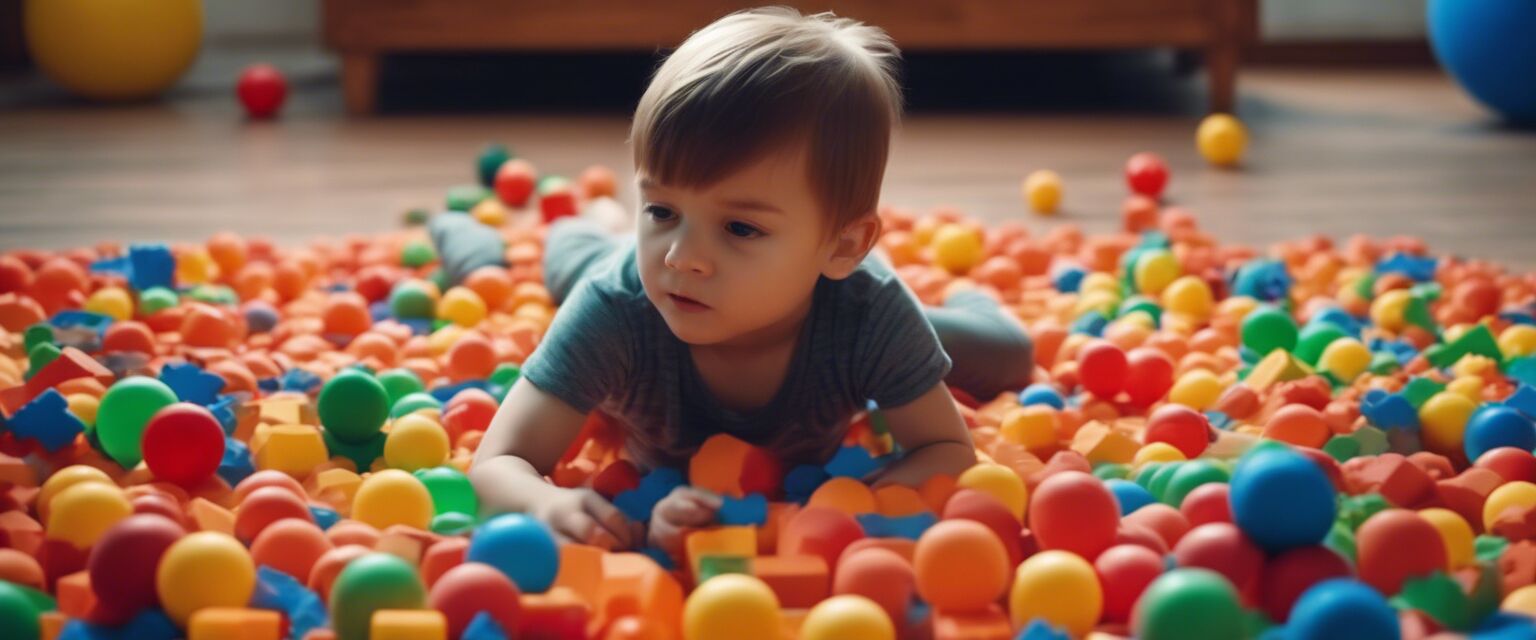
Pros
- Enhances sensory skills and cognitive development
- Encourages creativity, imagination, and self-expression
- Boosts social skills and cooperation
Cons
- Can be messy and require cleanup
- Some toys may be expensive or have small parts
- May not be suitable for children with sensory sensitivities
Conclusion
Sensory development toys are an essential tool for enhancing children's sensory skills, cognitive development, and social skills. By choosing the right toy and considering the child's age, interests, and sensory needs, parents and educators can provide a rich and engaging learning experience.
Beginners Section
- Start with simple sensory development toys, such as texture balls and playdough.
- Gradually introduce more complex toys, such as puzzles and building sets.
- Encourage children to explore and engage with the toys at their own pace.