Science Toys
- Science toys ignite curiosity and creativity in young learners.
- These toys cover various fields including physics, biology, chemistry, and more.
- Engaging with science toys fosters essential STEM skills.
- Parents and educators can utilize these toys to enhance learning experiences.
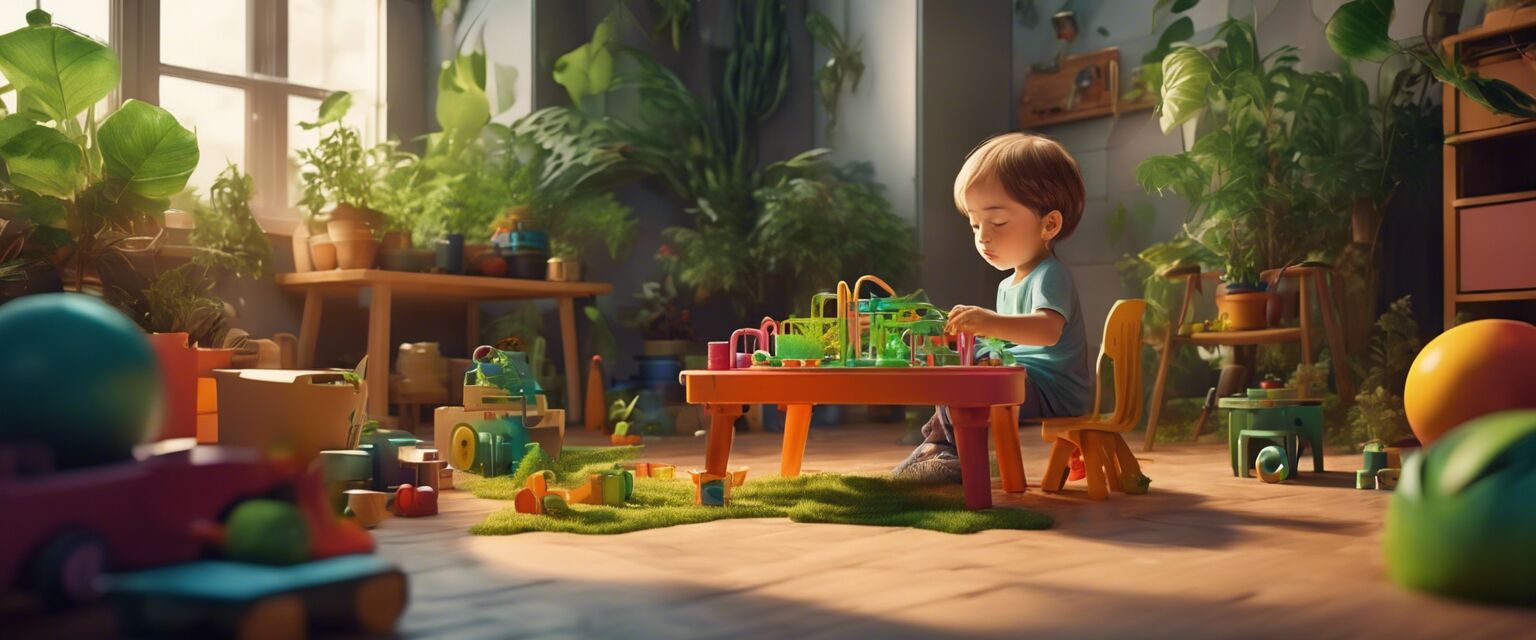
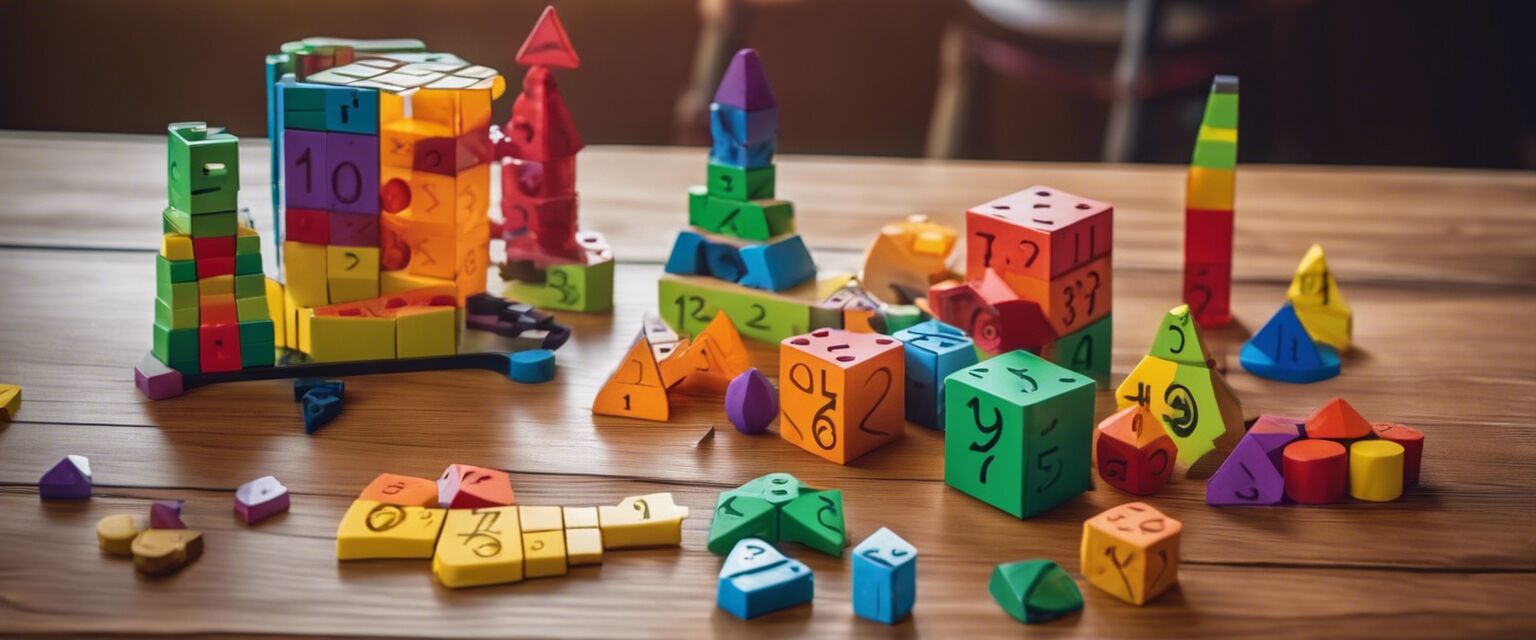
Explore a wide range of science toys that educate and inspire young minds in various scientific fields. Science toys are not just playthings; they act as gateways for children to learn about the world around them. By experimenting and engaging with different concepts, kids can develop critical thinking and problem-solving skills.
Why Choose Science Toys?
Science toys offer unique advantages that traditional toys may not provide. Here are a few reasons to consider them:
- Encouragement of hands-on learning.
- Promotion of teamwork and collaboration.
- Enhancement of fine motor skills.
- Stimulus for creative thinking and innovation.
Types of Science Toys
Science toys can be categorized into various fields. Let's take a quick look at some popular categories:
| Category | Description | Example Toys |
|---|---|---|
| Physics | Toys focusing on principles like motion, force, and energy. | Slingshot kits, catapults |
| Biology | Toys that educate on living organisms and ecosystems. | Microscopes, anatomy kits |
| Chemistry | Sets that introduce basic chemical reactions and properties. | Chemistry experiment kits |
| Astronomy | Toys that inspire exploration of the universe and celestial bodies. | Telescope sets, star projectors |
Choosing the Right Science Toys
When picking science toys, itâs essential to match them to your child's interests and age level. Here are some factors to consider:
- Age Appropriateness: Ensure the toy is suitable for your child's age group.
- Skill Development: Look for toys that promote learning in areas your child is interested in.
- Quality and Safety: Always check for safety certifications and material quality.
The Benefits of Science Toys in Education
Educators have long understood the importance of play in learning. Science toys can:
- Encourage experimental learning.
- Promote inquiry-based activities.
- Support curriculums in schools.
Exploring Nature with Science Toys
Integrating nature exploration kits is a fantastic way to enhance science learning.
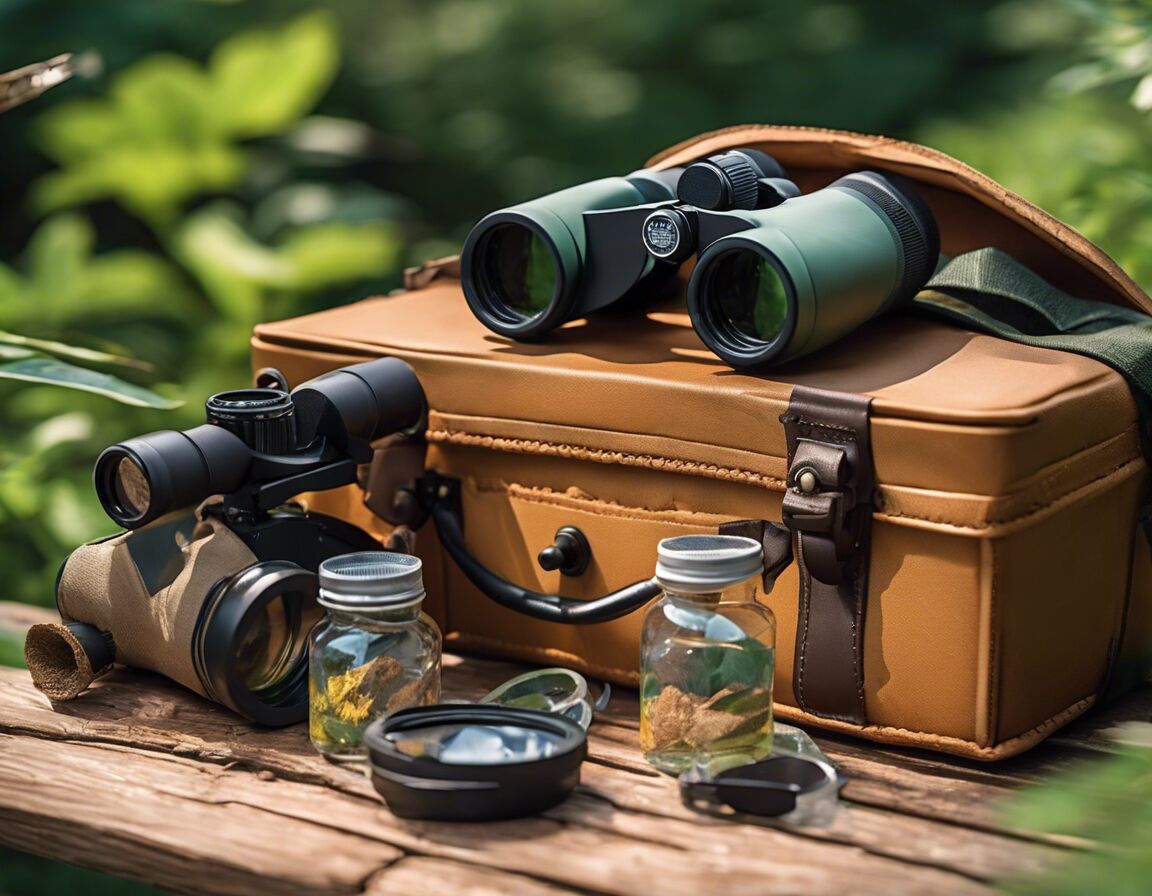
Kids can learn about ecosystems, plant biology, and more through outdoor adventures. Nature exploration kits offer a hands-on approach that fosters a love for science.
Popular Science Activities
Hereâs a list of engaging science activities you can do with science toys:
- Building simple machines using engineering sets.
- Conducting chemistry experiments with safe household materials.
- Observing insects with a magnifying glass from a nature kit.
- Exploring the night sky using a telescope.
Where to Find Quality Science Toys
When searching for the best science toys, consider reputable retailers or online platforms. Here are some recommended categories you can explore:
Integrating Science Toys at Home
Parents can play a crucial role in facilitating science learning at home. Here are tips to incorporate science toys effectively:
Tips for Parents
- Set aside a dedicated space for science experiments and play.
- Encourage questions and actively engage in discussions about the science behind the toys.
- Promote teamwork by participating in building and experimenting together.
Key Considerations for Parents and Educators
While selecting science toys, it's important to consider:
- The educational value of the toy.
- How well it aligns with your child's learning style.
- Potential to create lasting memories and positive experiences.
Future Trends in Science Toys
The market for science toys continues to grow, driven by technological advancements and educational methods. Some upcoming trends include:
- Incorporation of digital tools and apps.
- Increased environmental awareness through eco-friendly toys.
- Focus on coding and robotics as the STEM fields expand.
Conclusion
Science toys are a valuable resource for enhancing learning experiences for young learners. By selecting the right toys and incorporating them into playtime, parents and educators can cultivate a lasting interest in science, technology, engineering, and mathematics.
Pros
- Encourage learning through play.
- Promote critical thinking and problem-solving skills.
- Foster a love for discovery and exploration.
- Adaptable to various learning styles and age groups.
Cons
- Some toys may require adult supervision.
- Initial costs can be higher than traditional toys.
- Not all toys are suitable for every child.