Mathematics Toys
Key Takeaways
- Mathematics toys come in various forms, from puzzles to games that stimulate numerical understanding.
- These toys can enhance childrenâs cognitive skills through interactive play.
- Choosing STEM toys early on helps set a strong foundation for mathematical concepts.
- Look for toys that encourage problem-solving and critical thinking.
Uncover a variety of mathematics toys that make learning numbers and operations fun and engaging. Mathematics toys are designed to nurture a child's mind while providing entertainment. They range from basic counting tools to complex problems and puzzles. By engaging with these toys, children not only learn math skills but also develop critical thinking and problem-solving abilities. In this article, we explore the various types of mathematics toys available, their benefits, and tips for choosing the right ones.
Types of mathematics toys
| Type | Description | Examples |
|---|---|---|
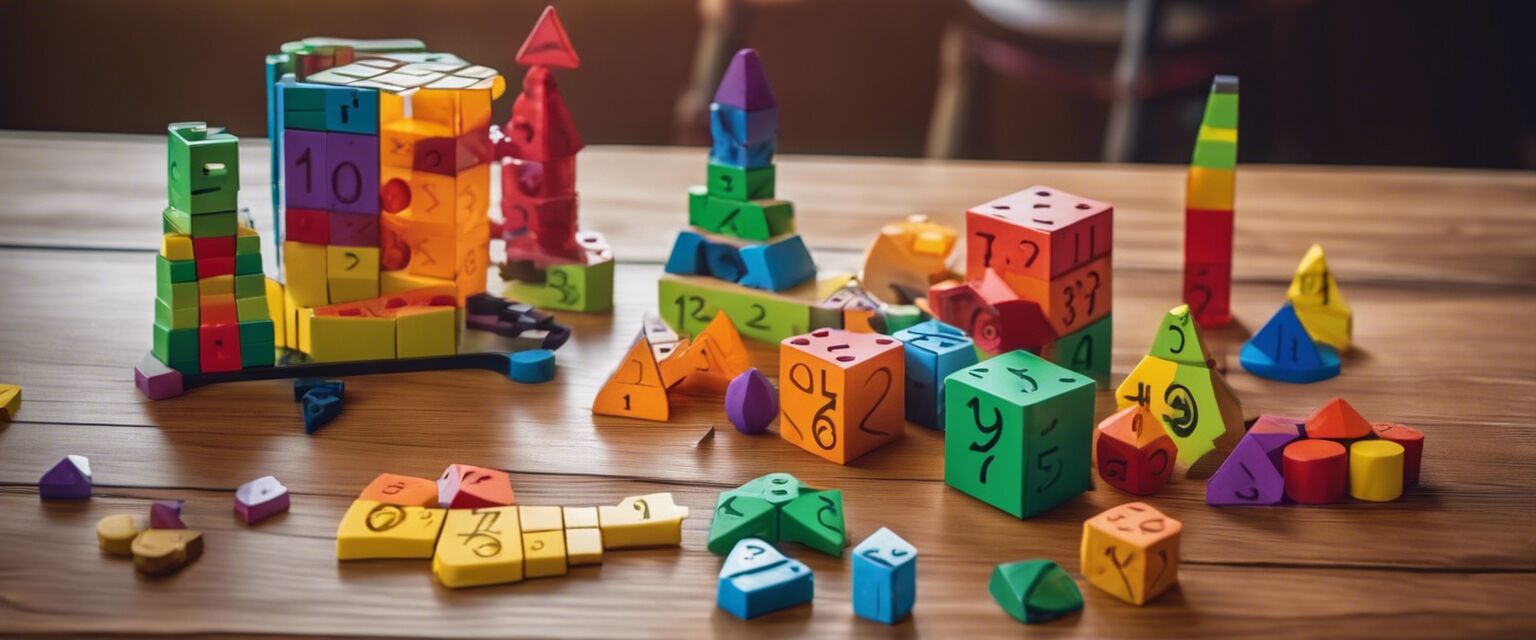
| Puzzles | Interactive challenges that encourage problem-solving through fitting pieces together. | Number puzzles, shape sorting puzzles |
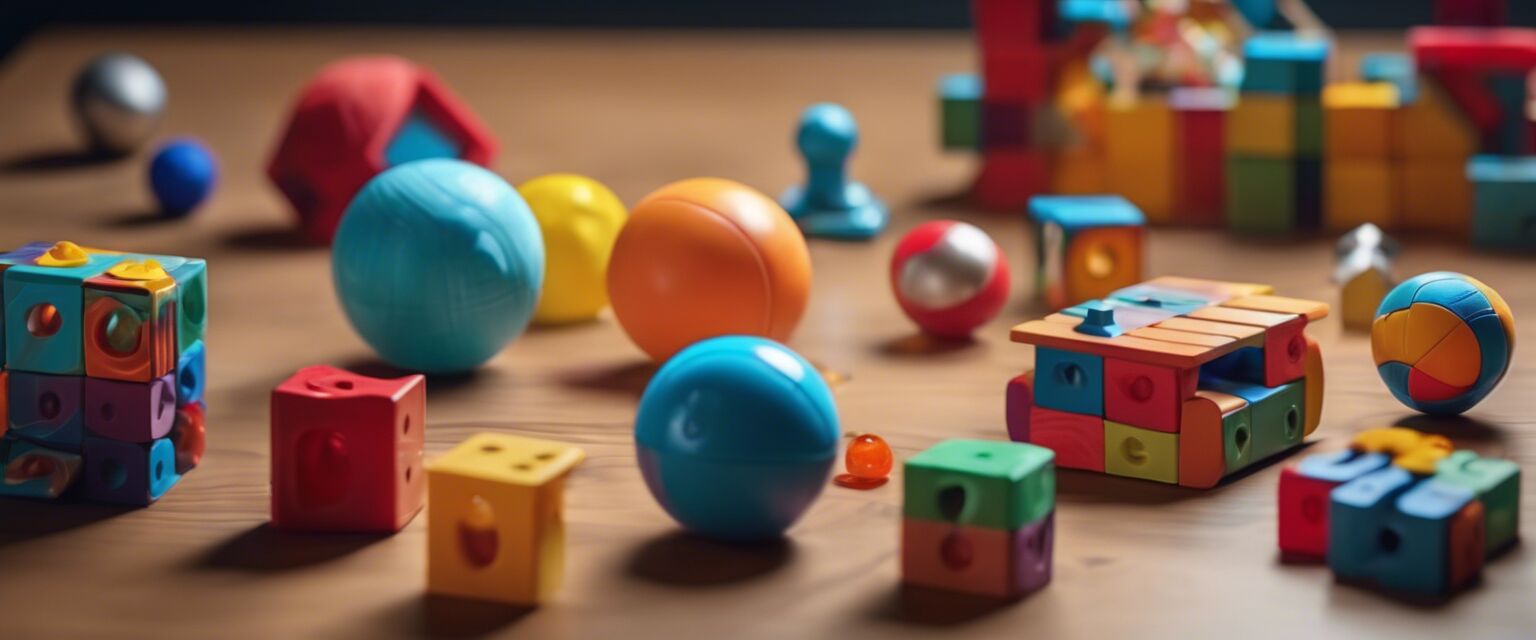
| Counting toys | Tools designed to help children learn basic counting. | Counting blocks, abacuses |
| Board games | Fun ways to incorporate math skills in a gameplay setting. | Monopoly, Math Bingo |
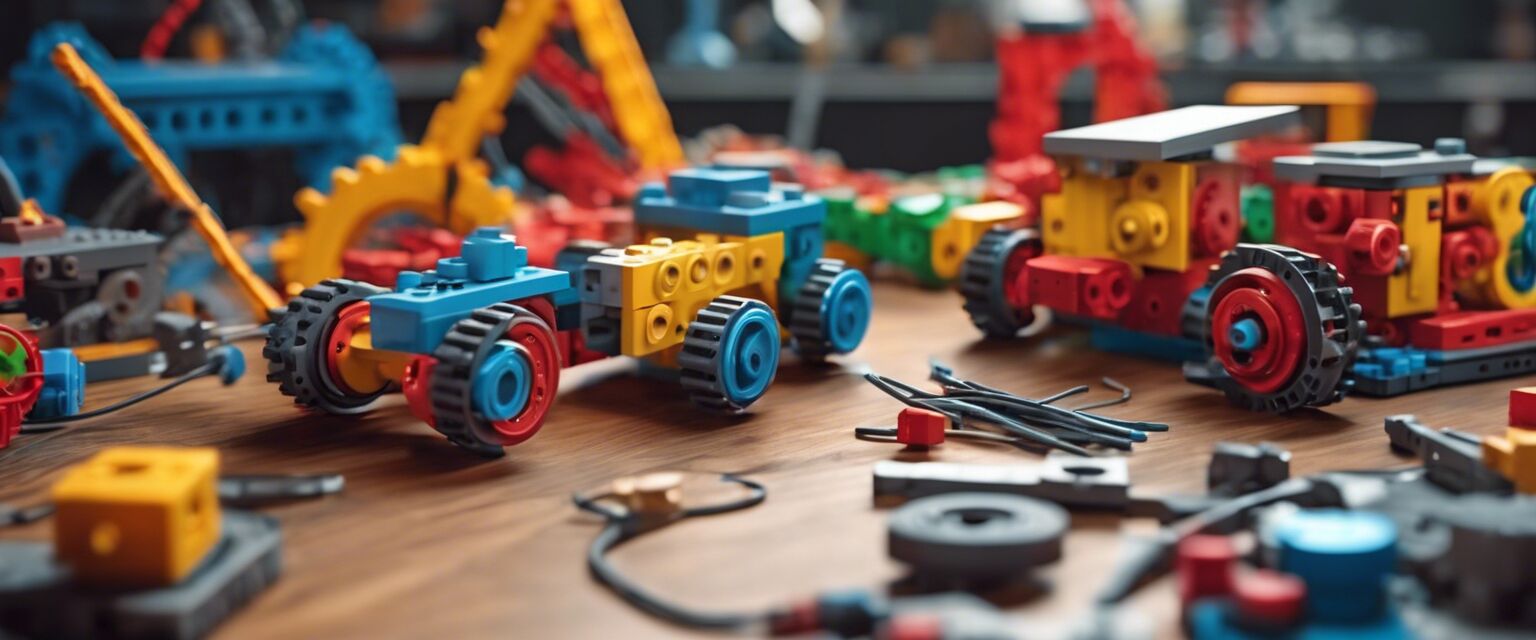
| Building sets | Sets that require children to construct using measuring and counting skills. | LEGO sets, KâNEX |
| Math kits | Comprehensive kits that include multiple activities focused on math concepts. | Math manipulatives, STEM activity kits |
Benefits of mathematics toys
- Encourages interactive learning
- Builds a strong mathematical foundation
- Enhances fine motor skills and coordination
- Promotes cognitive development
- Fosters creativity and imagination
Choosing the right mathematics toys
When selecting mathematics toys, consider the following criteria to ensure you make the best choice for your child:
Tips for Beginners
- Assess your child's age and skill level to find suitable toys.
- Look for toys that encourage active participation rather than passive observation.
- Consider toys that can be used in multiple ways for extended learning.
- Choose brightly colored and engaging designs to attract childrenâs interest.
Comparing different mathematics toys
| Toy Type | Age Range | Skills Developed | Availability |
|---|---|---|---|
| Puzzles | 3-6 years | Problem solving, critical thinking, hand-eye coordination | Widely available |
| Board games | 5-12 years | Math fluency, teamwork, strategic thinking | Available online and in stores |
| Counting toys | 2-5 years | Basic counting, number recognition | Common in educational stores |
| Building sets | 4-10 years | Spatial awareness, creativity, math application | Available in toy stores |
| Math kits | 5-12 years | Complex problem solving, thematic learning | Available online and in stores |
Pros and Cons of mathematics toys
Pros
- Enhances engagement with learning.
- Encourages independent thinking.
- Develops social skills when played with others.
- Introduces math concepts in a fun way.
Cons
- Can be overwhelming with too many choices.
- Not all toys are educationalâsome are purely for entertainment.
- Potential for distraction if not age-appropriate.
- Some toys may require adult supervision.
Conclusion
Mathematics toys play a vital role in making learning engaging and enjoyable for young children. By incorporating toys that develop these skills into playtime, parents can help their children build a strong foundation in math while having fun. Explore different options and find the perfect fit for your young learner. For more insights into STEM toys, check our categories on Art and Craft STEM Projects, Building Sets, and Science Kits.
Images of mathematics toys